Table of Contents
There is little doubt that addiction (and co-occurring mental illness) can take a serious toll on our physical selves. This is true both for internal functioning and outward appearance. The good news is that most people will make a full physical recovery once they start the path toward long-term sobriety. The body is very resilient, and once alcohol and substances are out of the picture, it can begin functioning properly faster than one may think.
Can I Fully Recover Physically From Addiction?
When it comes to addiction recovery, it is important to remember that addiction treatment must treat the whole self, as well as having an understanding that simply stopping the use of alcohol and substances is not enough. According to the National Institute on Drug Abuse (NIDA), “Stopping drug use is just one part of a long and complex recovery process. When people enter treatment, addiction has often caused serious consequences in their lives, possibly disrupting their health and how they function in their family lives, at work, and in the community. Because addiction can affect so many aspects of a person’s life, treatment should address the needs of the whole person to be successful.”
It is also important to remember that physical recovery from addiction can take time, even though the body starts to recover relatively quickly after abstinence begins. The key is to take it slow and focus on the whole picture. This should start with a safe and secure detox (more on that shortly) and continue with therapy and plenty of healthy foods and exercise.
The Physical Signs and Symptoms of Addiction
Now, of course, before any recovery can begin, one must be able to recognize the physical signs and symptoms of addiction. While they are not universal, the following are just a few of those red flags:
- Pale or yellowed skin and eyes
- Brittle hair and nails
- Bruising easily
- Feeling run-down and lacking stamina
- Low or reduced libido
- Excessive weight gain or weight loss
- Experiencing lack of sleep (insomnia)
- Having gastrointestinal problems, including nausea and vomiting
- Uncontrollable shakes in the hands, arms, and legs
If any, many, or all of these symptoms are present, it is a good idea to seek professional help as soon as possible. This will reduce the chances of these symptoms getting worse or possibly eliminate the potential for long-term side effects.
Physical Recovery: A Safe and Secure Detox
It is crucial that one reach out for help when they choose to stop using or drinking (especially after doing so for extended periods of time). Trying to detox on your own can not only be dangerous but can even be deadly.
That is why detoxing in a professional setting is so important. They have the expertise and tools to ensure that the process is safe and runs as smoothly as possible. It will also be much more comfortable. Also, it will connect you to the next proper steps of recovery, which most likely will include some healthy exercise.
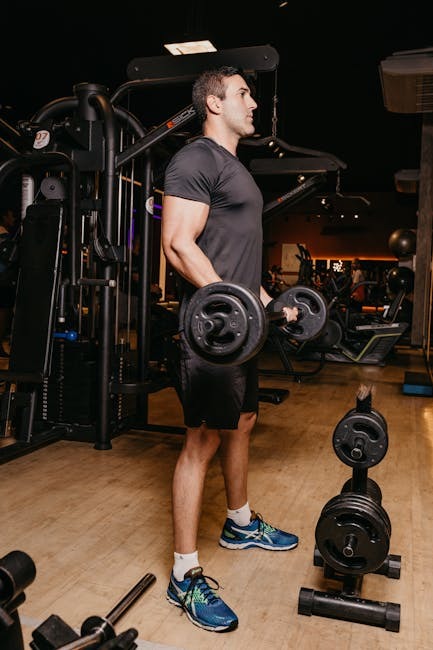
Recovering With Exercise
There is little doubt that exercise is important to a well-balanced lifestyle. It has been proven to increase positive mood, as well as lead to longer lifespans.
The evidence of the benefits of exercise is all in the numbers. According to the Canadian Medical Association Journal (CMAJ), “Recent investigations have revealed even greater reductions in the risk of death from any cause and from cardiovascular disease. For instance, being fit or active was associated with a greater than 50% reduction in risk. Furthermore, an increase in energy expenditure from physical activity of 1000 kcal (4200 kJ) per week or an increase in physical fitness of 1 MET (metabolic equivalent) was associated with a mortality benefit of about 20%.”
Recovering With Experiential Therapy
It is also important to remember that exercise doesn’t have to be boring. Many people avoid exercise because they dread going to the gym and spending countless hours on a treadmill.
With experiential therapy, there are many options for physical well-being while being outdoors and active. This includes hiking, aquatics, and even surfing.
Surf therapy offers many benefits for those both in and out of recovery. According to the International Journal of Environmental Research and Public Health, “Carefully planned water activities tailored to the needs of the individual can contribute to correct psychosocial and cognitive development. The International Surf Therapy Organization summarizes the benefits of adequately indicated surf therapy as follows: improved physical health and mobility; improved mental health, including reduction of specific symptoms, such as posttraumatic stress and depression; improved well-being (strengthening of trust and confidence, encouragement of independence, resilience, and protective coping strategies) and improved social skills.”
A Focus on Long-Term Success at Lantana Recovery
Here at Lantana Recovery, we believe in long-term success over short-term “fixes.” That is why all of our plans focus on the big three: emotional, mental, and physical recovery.
If you are sick and tired of being sick and tired, then you are ready to recover. You can do this! We can help.
Many people are concerned that they cannot physically recover from addiction. While, depending on certain factors, there may be some residual physical side effects, many people find their physical health improving dramatically. However, it is also important to balance physical recovery with emotional and mental well-being as well. If you feel like you or a loved one is struggling with issues of addiction, mental illness, or co-occurring disorders, we can help get you on the right road to long-term recovery right away. You don’t have to go through this process alone. For more information about making a full physical recovery from addiction, please reach out to Lantana Recovery today at (866) 997-2870.