Anxiety Disorder Treatment in Texas

Personalized, Evidence-Based Treatment Plans
Not everyone experiences mental health disorders in the same way. Some may experience more severe or different symptoms. That’s why, at Infinite Recovery, we create personalized treatment plans that address the unique needs of individual clients. Your treatment plan will include therapies, services, and treatments that cater to your needs. Using a combination of evidence-based and holistic care, we ensure you receive the most effective care for your growth.
Continuum of Care for Long-Term Mental Wellness
When coping with mental health issues, it’s important to have consistency. Infinite Recovery provides a full continuum of care that ranges from residential treatment to outpatient services. We can also make referrals to other outpatient resources that keep you on track. After in-person treatment, a full continuum of care allows you to transition seamlessly in your daily life without feeling overwhelmed by or unsupported in this new phase of your journey.


Family Involvement and Supportive Education
When your loved one is struggling with anxiety or other mental health complications, it can take a toll on the whole family unit. It’s important at Infinite Recovery that families have a role in mental health treatment, learning about their loved one’s needs and growth while also receiving support as they navigate the process.
Integrated Care for Co-Occurring Conditions
Mental health disorders and addiction often co-exist. When struggling with symptoms of anxiety, one might turn to substances or alcohol as a way to self-medicate. This can cause a dependence on the substance and might turn into an addiction. Substance abuse can also lead to the development of mental health conditions due to behavioral health problems or changes to the central nervous system/brain.


Compassionate, Experienced Clinicians
Our staff is full of licensed, certified, and experienced healthcare providers. Your personal treatment team works with you one-on-one to heal and grow. A majority of our staff at our treatment center is also living an active life of recovery, meaning they have firsthand experience coping with mental health and/or addiction.
Trauma-Informed and Holistic Care Approach
Proper treatment for anxiety requires a compassionate approach, one that helps you heal from any underlying conditions or causes. Sometimes, trauma can cause feelings of anxiety. A trauma-informed approach allows our staff to understand your experiences and create a safe space for you to grow.
Holistic services at Infinite Recovery are often paired with evidence-based treatment for well-rounded, whole-person care. We value healthy expression and communication, whether that’s in talk therapy or through creative means, like art therapy. Your physical, emotional, mental, and spiritual health are all a part of your well-being. If you have any medical conditions or areas of wellness where you need support, our variety of therapy and treatment options can assist.

Anxiety Program Highlights

Cognitive-Behavioral Therapy (CBT) and Exposure Therapy
CBT is a type of psychotherapy that is common in mental health treatment. Either individually or with a group, you practice acknowledging and accepting your feelings, even if they’re negative. From there, you learn to let these thoughts and emotions pass by without acting on unhelpful behaviors. Rather, you turn to healthy coping mechanisms.
For clients struggling with anxiety, socialization can be triggering, for example. Exposure therapy, in this case, can pair with CBT. In group therapy or other social situations, you practice managing feelings of anxiety without letting them take over your thoughts or behaviors. Through healthy communication, CBT and exposure therapy help you overcome intense fear caused by anxiety.
Dialectical Behavior Therapy (DBT) and Mindfulness Practices
DBT is rooted in CBT practices, but is focused more on emotional regulation. It is a type of therapy that can greatly benefit those with mood disorders, certain personality disorders, or even anxiety, depending on the severity of one’s symptoms. In DBT, we help you accept and embrace your feelings, validating your experiences.
For those with anxiety, DBT can help ease your symptoms and lower your overall stress. It helps you process your thoughts, triggers, and experiences while also regulating your emotions. Improving your mindset when coming across emotional outbursts or difficult emotions is one goal in DBT. Mindfulness is a tool we implement in DBT sessions that calms your nerves and allows you to stay in the present moment to overcome challenges.
Medication Management and Psychiatric Support
Mental health disorders are often aided by medication. Medication management and psychiatry can be used in anxiety treatment if your symptoms are significantly interfering with your daily activities. Anti-anxiety medication or antidepressants can help alleviate your symptoms, and in a controlled setting, you won’t become dependent on or addicted to the substance. This is a safe practice we supervise at Infinite Recovery.

Group and Individual Therapy for Connection and Growth
A combination of group and individual therapy is used at Infinite Recovery. At any stage of healing, it can be beneficial to have one-on-one discussions with a therapist who understands you and your journey on a personal level.
Relapse Prevention and Emotional Resilience
Part of our anxiety disorder treatment in Texas is providing you with tools you can use in your daily life outside of residential or inpatient treatment. With us, you develop healthy coping skills that promote growth in your journey and keep you on track with your goals. When faced with a trigger or challenge, you have the resources and skills to overcome these moments.
What to Expect During Anxiety Treatment
Structure, Therapy, and Skill Building
At every phase of mental health treatment at Infinite Recovery, we make sure you have structure, guidance, and support. This is important to keep your mind and body adapted to a healthy schedule that promotes mental health growth. You engage with therapies and treatments that support your individual goals and stay consistent with these sessions to build upon your progress day by day, week by week, and month by month. You develop a foundation to build on, strengthening skills, whether it’s communication and expression or stress management.
Focused Treatment and Coping Tools
Through an individualized treatment plan, we are dedicated to your personal journey. We make sure that you have the tools to meet your specific needs. Healing is unique for everyone, so we help you figure out what coping mechanisms work best for your journey and strengthen those skills to carry with you for the rest of your life.
Community Connection and Self-Reflection
In group therapy, you communicate with your peers and develop a supportive community. Mental health complications can often cause self-isolation. At Infinite Recovery, you’re encouraged to connect with others in treatment, share experiences, and learn from one another. You develop a sense of belonging. Likewise, you can assess your own growth with anxiety, seeing what is or isn’t working. In individual therapy, you can take what you’ve learned from others and see if it can apply to your healing journey.
Family Therapy and Restorative Activities
Our family program includes family therapy sessions. Here, you and your family members strengthen your relationships with one another while practicing healthy communication and mutual support. Learning and growth are important for everyone in mental health treatment. When one family member is struggling with anxiety, it can affect others in the household. Family therapy and family dynamics therapy aim to help the whole family unit heal, grow, learn, and thrive.

Conditions We Treat
Generalized Anxiety Disorder (GAD)
GAD brings on feelings of uncontrollable worry about different areas of life. You may experience restlessness, fatigue, irritability, sleep problems, muscle tension, headaches, stomach issues, or difficulty concentrating.
Panic Disorder and Panic Attacks
Sudden episodes of intense fear that are unexpected are characterized as panic attacks. Panic disorder can cause the following physical symptoms:
- Sweating
- Heart palpitations
- Shortness of breath
- Hot or cold flashes
- Choking sensation
- Fear of losing control
- Chest pain or tightness
- Numbness or tingling
- Dizziness or light-headedness
- Nausea
- Shaking or trembling
- Feeling detached from your physical body or reality
Social Anxiety Disorder
Persistent, intense fear of being judged in social situations can be diagnosed as social anxiety disorder. This can be treated with medication, therapy, and lifestyle changes — all things that Infinite Recovery can provide in anxiety treatment.
Obsessive-Compulsive Disorder (OCD)
OCD is a mental health condition that brings on uncontrollable thoughts or obsessions paired with behaviors. These behaviors or compulsions can interfere with daily life, which is why clients struggling with OCD should seek treatment.
Post-Traumatic Stress Disorder (PTSD)
PTSD is a mental health disorder caused by traumatic events in the past that bring on symptoms, like flashbacks, nightmares, severe anxiety, or uncontrollable thoughts. These thoughts and feelings that arise are unwanted, and some may try to avoid intrusive memories by staying away from people or places or not talking about the event. PTSD can also cause negative self-talk or perspectives on the world, or emotional numbness
Our trauma-informed approach to care at Infinite Recovery helps you overcome these negative feelings.
Co-Occurring Substance Use and Mental Health Conditions
When mental health conditions and addiction co-exist, these are called co-occurring disorders. Those with anxiety may turn to substances, like alcohol, to cope. It is a self-medication strategy to ease symptoms of social anxiety, nervousness, or obsessions.
If you are struggling with co-occurring disorders, we are here to help. At Infinite Recovery, our comprehensive care of evidence-based and holistic care allows you to work through difficult situations and feelings while practicing healthy coping mechanisms to ease your anxiety symptoms.
When to Seek Help for Anxiety
If your anxiety is interfering with your daily life, it is important to seek treatment. Treatment can also be beneficial before this support if you notice anxiety symptoms rising. Early mental health treatment can be an easier journey in healing, preventing your symptoms from worsening or becoming severe over time.
Our Anxiety Treatment Program Features

Our partial hospitalization program (PHP) at Infinite Recovery is part of our extended care options, which include:
- A personal treatment team and plan
- Individualized assessments, medical and psychiatric evaluations, and weekly follow-ups
- Medication management or assisted treatment
- Therapy (individual, group, family, holistic, etc.)
- Case management
- Educational groups for coping skills and life skills building
Our intensive outpatient program (IOP) is another step in continuous care. It includes:
- Weekly support groups
- Bi-weekly individual counseling
- Therapy (individual, group, family, holistic, etc.)
- Case management
- Educational groups
- Behavioral healthcare
- Relapse prevention
Both programs offer flexibility for clients tending to home, work, or academic responsibilities. They provide structure and guidance without clients having to stay on our campus for treatment.
We offer various family services. In family therapy, you practice healthy communication with your loved one to understand how their mental health is affecting them and what support they need. Simultaneously, they learn how their mental health conditions are impacting others in the family to develop mutual support and strengthen relationships.
We also offer educational opportunities for families. In online support groups and monthly family workshops, Infinite Recovery connects you with other families to learn more about the healing process and offer support for one another. Workshops, specifically, educate you on how addiction and mental health impact families as a whole and how every family member has a role in recovery.
Developing a connection between the mind and body helps you foster greater control over your well-being. When thoughts control behaviors, negative feelings can result in unhelpful actions, like substance use.
In holistic care, we offer body movement therapies and spiritual therapy. Movement therapy can include boxing, dancing, yoga, breathwork, stretching, or swimming to improve physical wellness while also developing a coping mechanism for stress.
Spiritual therapy helps ground your spiritual or religious beliefs to support your recovery and healing goals. You develop a connection that increases your mind-body control and promotes healthy living.
Having a support network at every phase of healing is important, and our alumni group extends this beyond the walls of our campus. Healing isn’t a linear journey, but having that support system to talk with and fall back on helps guide and stabilize you while getting back on track.
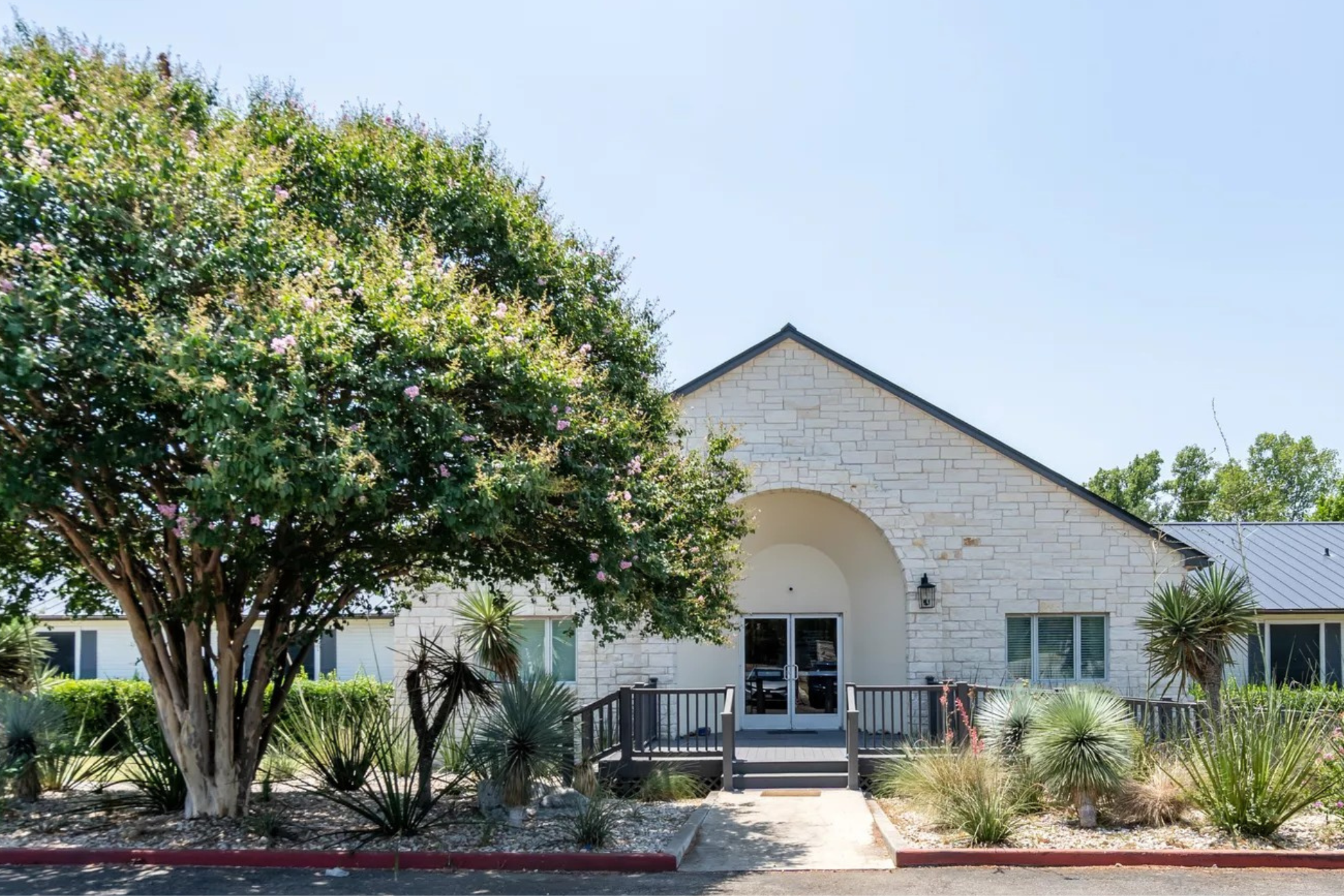
Infinite Recovery is located in a serene environment in Austin, Texas, to promote calmness in recovery. Here, you work on connecting with others, your inner self, and the nature around you. Often, with mental health disorders or addiction, you can feel disconnected from these things. Our campus environment helps instill those back into your life.
Frequently Asked Questions
Our individualized approach to anxiety treatment makes Infinite Recovery unique. We care about you as a person, not just a client walking through our doors. Your personal healing journey is important to us, and we make sure to provide you with the most effective treatment in all stages of your journey.
We offer treatment for clients overcoming generalized anxiety disorder, social anxiety, post-traumatic stress disorder, obsessive-compulsive disorder, panic disorders, and co-occurring anxiety and substance use disorders.
In anxiety treatment, we use the following therapies depending on your needs:
- CBT or DBT
- Exposure therapy
- Holistic therapies (like art, mindfulness, and physical recreation)
- Medication management
- Individual therapy
- Group therapy
- Family therapy
Medication can be helpful for those coping with mental health issues, and anxiety symptoms can be alleviated with FDA-approved medication. Our treatment programs will include medication management for anxiety if it’s applicable to your needs. It is a supervised service that is safe for your health, avoiding dependency and addiction.
While located in Texas, our anxiety treatment is not limited to those in our state. We serve clients outside of Texas, though they make up a small portion of our clientele. If you are in need of mental health assistance, we are here to help you heal and thrive.