Table of Contents
- Understanding Kratom and Its Effects
- Kratom Withdrawal Symptoms
- Managing Kratom Withdrawal
- Risks and Long-Term Considerations
- Frequently Asked Questions (FAQs)
- What is kratom withdrawal?
- Can kratom withdrawal be dangerous?
- Is kratom addictive like opioids?
- Can medical detox help with kratom withdrawal?
- How can loved ones help during kratom withdrawal?
- Are there FDA warnings about kratom?
- What treatments are effective for kratom dependence?
- How do I find help for myself or a loved one struggling with kratom use?
Understanding Kratom and Its Effects
What Is Kratom?
Kratom (Mitragyna speciosa) is a tropical tree native to Southeast Asia, and its leaves are used for their stimulant and opioid-like effects.
Traditionally, the leaves of the plant were chewed, brewed into tea, or made into a poultice. In low doses, kratom has stimulating effects, which are similar to caffeine. High doses of kratom are used much like an opioid or opiate for pain relief or sedation. It has been used as a traditional form of medicine for the native peoples of Southeast Asia for centuries.
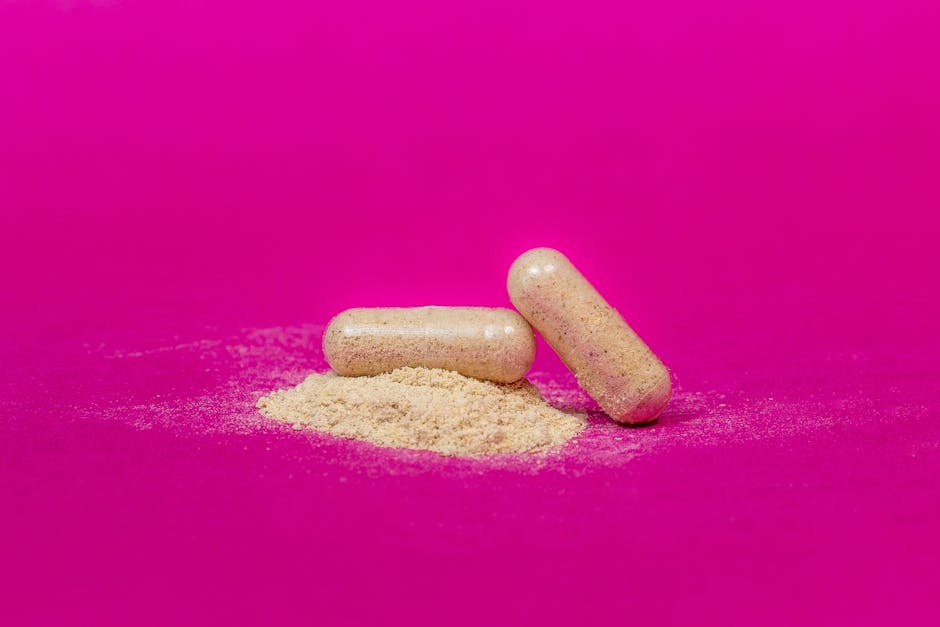
Use of kratom has seen a surge in the United States as a form of alternative medicine or herbal supplement for those living with chronic pain and/or anxiety. Some use kratom as a way to manage opioid withdrawal. It can be found online and in vape shops/gas stations as capsules, drinks, or loose powder that can be mixed into liquids.
Though not currently illegal, kratom as a substance is not FDA-approved to treat any medical or mental health condition.
Kratom contains the psychoactive alkaloid chemicals mitragynine and 7-hydroxymitragynine. 7-hydroxymitragynine is often condensed further from kratom or synthetically made to create 7-OH, which has amplified opioid-like effects. Synthetic 7-OH is highly potent and, as such, can greatly increase the risk of overdose and other adverse health effects due to its toxicity.
Currently, the Drug Enforcement Administration (DEA) does not list kratom as a controlled substance. However, its drug fact sheet on kratom lists it as a Drug and Chemical of Concern due to a lack of research on its long-term effects. Kratom is federally legal and unregulated, but individual states and local areas may ban or restrict its sale and use.
How Does Kratom Affect the Body and Brain?
The National Institute on Drug Abuse (NIDA) has reported several mild to severe side effects of kratom on the body and brain, including:
- Nausea/vomiting
- Constipation
- Dizziness
- Drowsiness
- Confusion
- Weight loss
- Dry mouth
- Muscle pain
- Tremors
- Seizures
- Slow breathing
- Anxiety
- Depression
- Hallucinations
- Psychosis
- High blood pressure
- Liver problems
Low doses of kratom act like a stimulant, which increases energy, alertness, and heart rate.
However, at higher doses, kratom acts like an opioid, which causes feelings of relaxation, pain relief, and euphoria. This is because kratom leaves contain the psychoactive alkaloids mitragynine and 7-hydroxymitragynine, which act as partial agonists at mu-opioid receptors, producing effects similar to opioids.
Kratom users may also experience drug interactions when taking both kratom and other substances, such as prescription medications. According to numerous FDA toxicology reports and case studies, though rare, overdoses, poisonings, and adverse effects related to kratom use can happen.
Because kratom products are not regulated, there is also a risk of them being contaminated with heavy metals, such as lead, or bacteria, such as Salmonella.
Is Kratom Addictive?
Yes, kratom can be addictive if misused.
Abusing or using kratom consistently can cause you to develop a psychological and physical dependence. Once you are dependent on kratom, it can cause cravings and withdrawal symptoms similar to an opioid use disorder (OUD) or addiction when you stop using kratom.
Many people falsely believe that kratom is safe to use because it is a natural substance or because it’s not technically an opioid. The truth is that kratom can cause drug dependence or drug addiction, or may cause other adverse health effects.
Kratom Withdrawal Symptoms
What Are Common Symptoms of Kratom Withdrawal?
Common symptoms of kratom withdrawal include:
- Irritability/anger
- Anxiety/nervousness
- Muscle aches
- Insomnia
- Sweating
- Nausea/vomiting
- Mood swings
- Jerky movements of the limbs (but not seizures)
- Loss of appetite
- Abdominal pain and cramps
- Cravings
- Watery eyes
- Runny nose
- Hot flashes
- Diarrhea
- Depression/sadness
- Restlessness
- Tremors
- Tension
Exact symptoms vary depending on the individual, but are described as feeling like a mix between opioid and stimulant withdrawal. Kratom is currently believed to have uncomfortable, but not life-threatening, withdrawal symptoms, compared to those associated with benzos and alcohol dependence.
How Long Does Kratom Withdrawal Last?
Kratom withdrawal on average lasts between one and three days, but can last up to a week with long-term use.
The kratom withdrawal timeline depends on several factors, such as biology, genetics, how much kratom you were using, if you were mixing kratom with other drugs, and how long you were using kratom.
Withdrawal symptoms typically begin within 12-48 hours after stopping kratom use. Symptoms will worsen and then plateau within one to three days, and then gradually reduce in severity.
Those with post-acute withdrawal syndrome (PAWS) can have withdrawal symptoms that can last for weeks at a time after the acute withdrawal phase has ended. This usually occurs with heavy or long-term kratom users. Symptoms can include anxiety, depression, low energy, cravings, and trouble focusing.
What Factors Affect Withdrawal Severity?
Factors that determine the severity of kratom withdrawal include:
- How long have you been using kratom
- If you started using kratom again after prolonged abstinence
- The dosage/potency you were using
- If you were mixing kratom with other drugs or substances
- Your individual physical and mental health
- What support system do you have in place during withdrawal
The severity of withdrawal symptoms that you may experience will vary based on the factors above. This is why it’s advised to speak to a medical professional or healthcare provider before attempting to stop using kratom. They will be able to guide you to services you will need to best manage your withdrawal symptoms and prevent any adverse health effects.
Managing Kratom Withdrawal
Can Kratom Withdrawal Be Treated at Home?
Although kratom withdrawal symptoms tend to be mild or moderate, it’s advised to seek professional help for detox because of how little is known about the effects of kratom.
Not much is currently known about the extent to which kratom can affect the body, especially with long-term use. As such, it’s recommended that you or your loved one speak to a medical or healthcare professional before stopping kratom use.
This is especially important if you have an underlying mental health issue or have a co-occurring substance use disorder or addiction, as it may worsen or change the withdrawal symptoms you experience.
What Medical Treatments Are Available?
Medical treatments to manage kratom withdrawal symptoms include inpatient medical detox, tapering, and medication-assisted treatment (MAT).
The first step in treating a substance use disorder is to undergo detox. Detoxification is the process of allowing your body to work a substance out of your system to help your brain chemistry rebalance.
Part of detox is managing withdrawal symptoms with the help of medical and healthcare providers. The goal is to make the process safe and comfortable so you or your loved one can heal and focus on further treatment.
Cravings and withdrawal symptoms related to kratom use can be uncomfortable. Because kratom mimics how opioids affect the brain and body, some medications used are the same for those needing treatment for opioid addiction. Medications such as buprenorphine may be used as part of medication-assisted treatment.
Because of how little research currently exists for kratom, tapering is generally recommended instead of stopping use suddenly. Tapering helps you wean off a substance by slowly lowering doses over time. This helps your brain slowly rebalance chemistry instead of shocking it by suddenly stopping use.
How Can Loved Ones Support Someone With Kratom Dependence?
You can support your loved one struggling with substance abuse by:
- Not trying to shame or guilt them for struggling
- Speaking to them with empathy and understanding
- Encouraging them to seek professional help
- Not expecting instant results or for your loved one to be “fixed”
- Creating a supportive recovery environment at home
- Reminding them that you love them
- Being involved with their recovery
- Caring for yourself
Infinite Recovery offers further resources in helping your loved one seek care with intervention and family support services. Other resources, such as FindTreatment.gov, help you find further information on mental health and addiction treatment facilities.
Are There Non-Medication Approaches for Withdrawal?
Yes, lifestyle changes and relaxation techniques can help with withdrawal symptoms.
Practices such as mindfulness, yoga, and certain dietary adjustments can help reduce the severity of withdrawal symptoms. These practices help boost mood and provide a means of stress release, which may further help in the healing process.
Risks and Long-Term Considerations
What Are the Risks of Kratom Use and Withdrawal?
Kratom use can lead to dependence, addiction, withdrawal symptoms, and serious adverse health effects.
Withdrawal symptoms are typically flu-like with feelings of agitation and anxiety. They are currently not considered life-threatening, but medical supervision is advised when detoxing due to a lack of studies related to kratom use.
Kratom may cause risks such as liver toxicity and seizures in some people. However, most risk when using kratom is related to unsafe products, which may be contaminated with bacteria or heavy metals.
How Does Kratom Compare to Opioid Withdrawal?
Opioid withdrawal typically features more severe gastrointestinal and musculoskeletal pain, while kratom has more pronounced anxiety, fatigue, and cognitive symptoms.
Kratom is a partial agonist compared to opioids, which are full agonists. As such, opioid withdrawal tends to be more severe, while kratom has a more subtle effect.
Can Kratom Use Affect Long-Term Health?
Research on long-term kratom use is limited, but it’s believed that it can damage your liver, kidneys, and gastrointestinal system.
Poisoning is another risk when using kratom, as unregulated products may contain contaminants that can cause serious damage. There are currently no long-term studies on kratom use, and as such, it’s unknown to what extent kratom can affect the system. As such, it’s recommended that consumers not use kratom products.
Frequently Asked Questions (FAQs)
What is kratom withdrawal?
Kratom withdrawal is the physical and psychological symptoms that occur when someone with a kratom dependence stops using the substance.
Common kratom withdrawal symptoms include muscle aches, anxiety, nausea, and cravings. Withdrawal symptoms typically last for a few days, but some symptoms may linger for weeks with the development of post-acute withdrawal syndrome (PAWS).
Can kratom withdrawal be dangerous?
Yes, in some severe cases, kratom withdrawal can cause painful or distressing symptoms such as muscle or bone pain, hallucinations, or confusion.
Kratom withdrawal symptoms are not considered life-threatening, but there is much that is not understood about kratom and how it affects the body long-term. As such, it’s recommended that you or a loved one seek professional assistance before stopping kratom use.
Is kratom addictive like opioids?
Yes, kratom can be addictive like any other addictive substance.
Kratom may be similar to opioids, but they have different risks associated with use. It does not cause issues such as respiratory distress, as opioids can, which leads to the false belief that it’s a safe alternative to opioids.
However, there is currently no long-term research or case studies that outline kratom’s long-term effects, while opioids are better researched and understood.
Can medical detox help with kratom withdrawal?
Yes, medical detox can help with kratom withdrawal.
Seeking medical detox from a qualified treatment center can help make the detox process safer and more comfortable. Because not much is known about kratom, it’s recommended that those wanting to detox from kratom seek professional assistance.
How can loved ones help during kratom withdrawal?
The best way to help your loved one during kratom withdrawal is to provide emotional support and understanding while being patient through the process.
It takes time to detox successfully, and kratom may cause lingering withdrawal symptoms that can persist for weeks. As such, it’s essential to communicate with your loved one so that you can provide support during this time.
Professional help and assistance can be found through treatment options, such as medical detox, and through support groups for both families and their recovering loved ones.
It’s important not to enable or give in to a loved one demanding access to kratom to alleviate withdrawal symptoms. Withdrawal can be painful and uncomfortable, but it can be managed with professional help.
Are there FDA warnings about kratom?
The U.S. Food and Drug Administration (FDA) warns the public against the use of kratom for medical treatment or as a dietary supplement.
Currently, there are ongoing pharmacology studies and research into kratom’s potential for medical applications. Publicly available kratom, however, is not regulated and, as such, does not have the safety or oversight associated with FDA-approved products.
Until the agency can evaluate the safety and effectiveness of kratom or its components for medical use, the FDA will continue to advise the public to avoid kratom and kratom products.
What treatments are effective for kratom dependence?
Various treatment programs exist that help address the underlying causes of kratom addiction and dependence, ranging from residential to outpatient options.
Drug addiction and dependence are multifaceted issues. As such, it requires a comprehensive approach to treatment.
Mental health care and addiction treatment facilities, like Infinite Recovery, offer a variety of treatment programs that can be customized to your individual needs. These are designed to address the underlying causes of drug addiction and dependence, treat them, and provide tools to prevent relapse post-treatment.
Because kratom addiction and dependence are not widely studied, it’s recommended that clients seek medically assisted detox during the first part of treatment. Once stabilized, clients can seek further treatment through a residential treatment program, partial hospitalization program (PHP), or an intensive outpatient program (IOP).
Typically, those recovering from kratom addiction may not need the intensive care of residential treatment, but it might be recommended if they have co-occurring mental health disorders or addictions.
Aftercare is important as it sets clients up with further support once they complete treatment. This can come in the form of sober living or transitional housing, support groups, community events, and alumni programs.
How do I find help for myself or a loved one struggling with kratom use?
The best way to find help for a kratom addiction or dependence is to reach out to a healthcare professional or local addiction treatment facility.
Your healthcare provider will be able to give you a referral to specialized treatment that can help you safely detox from kratom and receive mental health care.
Addiction treatment facilities like Infinite Recovery are available to answer questions and walk you through what to expect in addiction treatment. You can find kratom addiction treatment at Infinite Recovery by calling or contacting our admissions team.
Kratom use is on the rise as a natural alternative to opioids. However, kratom still carries a risk of dependence and addiction for those who use it. Infinite Recovery is here to help those struggling with kratom addiction with our medical detox and addiction treatment services. If you or a loved one is struggling with kratom addiction, don’t wait; call (844) 928-1502 today.